Summer is right around the corner! Here’s everything to know about cyanobacteria & MV CYANO!
- May 8
- 3 min read
Summer is just around the corner, and there’s no better way to enjoy the season than spending time in and around the Island’s ponds and waterways. As we head into warmer months, it’s important to stay informed about cyanobacteria (also known as blue-green algae) and know how to recognize potential blooms.
MV CYANO helps keep the community updated with weekly pond monitoring reports and cyanobacteria risk levels determined by the Island Boards of Health. Each risk level includes recommendations for safe interaction with the water, helping residents and visitors make informed decisions before swimming, boating, fishing, or bringing pets near the ponds.
As you enjoy the water this summer, be sure to check MV CYANO updates regularly and look out for posted MV CYANO signage around ponds. Following the guidance on these signs can help keep you, your family, and your pets safe throughout the season.
What are cyanobacteria?
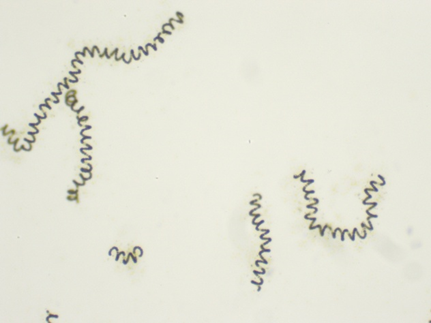
Cyanobacteria, a.k.a. blue green algae, are photosynthetic microorganisms that live in habitats both on land and in water. There are many types of cyanobacteria that come in many forms including unicellular, colonial, and filamentous. When colonies of cyanobacteria grow out of control or “bloom”, some can produce cyanotoxins that can affect people, fish, shellfish, marine mammals, birds and pets: this is known as a harmful algal bloom.
What are cyanotoxins?
Some cyanobacteria species can produce toxins known as cyanotoxins. There are over 100 types of cyanotoxins which can be divided into those affecting the liver (hepatotoxic), nervous system (neurotoxin) and skin (dermatoxin).

What causes a bloom?
Specific environmental conditions cause cyanobacteria to grow rapidly. These environmental conditions include warm temperatures, excess nutrients (particularly nitrogen and phosphorus) and low salinity (waters with less than 15 parts per thousand)
How to identify a potential bloom?
Water color and clarity: water that is impaired tends to be murky, has a green hue, or looks like streaks of paint on the surface.
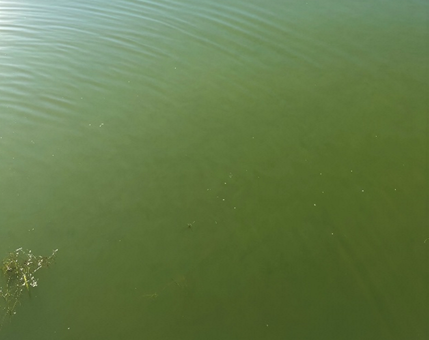

Presence of algal matting: Algal mats can either sit on the water surface or sit on the pond bottom (benthic). Surface algal mats are suspended benthic mats. These algal mats can be made up of just green algae or a combination of green algae, cyanobacteria, and diatoms. However, try not to confuse this with vegetation (duckweed, etc.)


Odor: Impaired water may smell musty and in general unpleasant
How does MV CYANO work?
Scientists from both Chilmark Pond Foundation and Great Pond Foundation collect and analyzes environmental and cyanobacteria data weekly from several costal ponds on the Island, including Chilmark Pond.
Data and analyses are sent to the Islands Boards of Health for their review.
The Islands Boards of Health use Massachusetts and EPA recreations limits and issue public health recommendations.
MV CYANO releases coordinated color-coded maps indicating the cyanobacteria bloom risk level and associated recommendations.

Map of Chilmark Pond sampling stations... Each week after sampling, the blue dots will be color-coded to reflect cyanobacteria risk level. 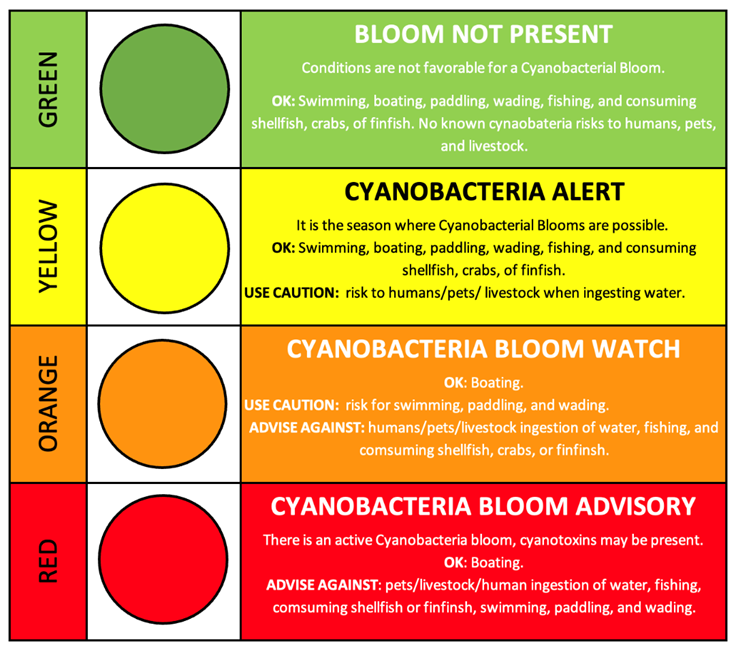
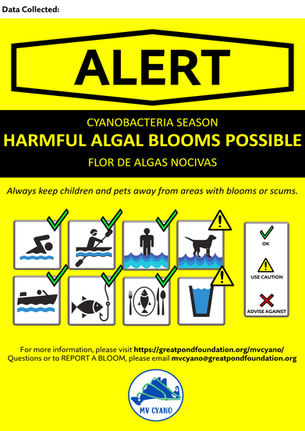
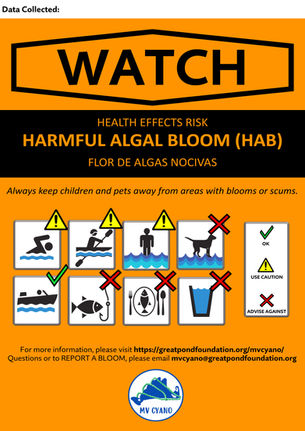
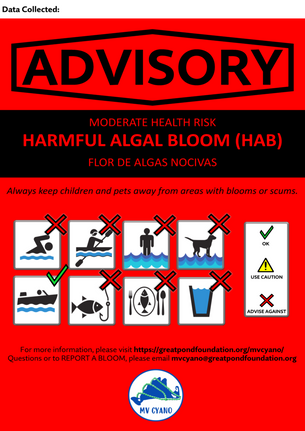
Bloom risks levels and associated recommendations The Island Boards of Health also post signage along the pond shores if YELLOW, ORANGE, or RED risks levels are present. Signs that are posted if the water body is in these three risk levels:



What if I see a bloom?
To report a bloom, contact the respective Board of Health Agent:
Edgartown: Brice Boutot
Edgartown Board of Health Agent
p: 508.627.6120 | e: healthagent@edgartown-ma.us
West Tisbury: Alex Lam
West Tisbury Board of Health Agent
p: 508.696.0105 | e: boh@westtisbury-ma.gov
Chilmark: Anna McCaffrey
Chilmark Board of Health Administrator
p: 508.645.2105 | e: boh@chilmarkma.gov
Oak Bluffs: Alexa Arieta
Oak Bluffs Board of Health Agent
| p: 508.693.3554 ex127 | e: aarieta@oakbluffsma.gov
Tisbury: Drew Belsky,
Tisbury Board of Health Agent
p: 774.563.3870 | e: dbelsky@tisburyma.gov
Aquinnah: Marina Lent
Aquinnah Board of Health Agent
p: 508.645.2309 | e: health-agent@aquinnah-ma.gov


Comments